Bishops Park House Removals Near Fulham Palace: A Practical Guide for a Smooth Local Move
If you are planning Bishops Park house removals near Fulham Palace, you are probably juggling the usual mix of excitement and mild chaos. Boxes everywhere, a calendar that suddenly feels too small, and the quiet worry that something awkward will be left until the last minute. To be fair, that is normal. A local move in this part of Fulham can be straightforward when it is planned well, but it can also become fiddly if access, parking, or packing is underestimated. This guide walks through what matters, how the move usually works, what to expect from a professional service, and how to avoid the common mistakes that turn a simple move into a long day.
Whether you are moving from a flat near the river, a family home close to Bishops Park, or a property tucked away by Fulham Palace, the aim is the same: keep the move organised, protect your belongings, and make the day feel manageable. A bit of planning goes a long way. So does choosing the right support.
- Why Bishops Park house removals near Fulham Palace Matters
- How Bishops Park house removals near Fulham Palace Works
- Key Benefits and Practical Advantages
- Who This Is For and When It Makes Sense
- Step-by-Step Guidance
- Expert Tips for Better Results
- Common Mistakes to Avoid
- Tools, Resources and Recommendations
- Law, Compliance, Standards, or Best Practice
- Options, Methods, or Comparison Table
- Case Study or Real-World Example
- Practical Checklist
- Conclusion
- Frequently Asked Questions
Why Bishops Park house removals near Fulham Palace Matters
This area of Fulham has its own rhythm. Streets can be narrow, parking can be tight, and building access is not always as simple as "pull up and unload." If you are moving near Fulham Palace, you are dealing with a neighbourhood where timing matters and small details matter even more. That is exactly why a local-first approach is useful.
A move here is not just about transport. It is about planning around access, route choice, handling fragile items carefully, and keeping the move respectful of neighbours and shared spaces. If you have ever tried to carry a sofa down a stairwell while someone else is trying to get past with a bicycle, you will know the feeling. Not ideal.
It also matters because moving home is one of those jobs where stress builds in layers. A delayed van, a missing tool, a parking issue, or a wardrobe that will not fit through the door can change the tone of the whole day. Good removal planning helps remove that uncertainty. That is the real value here, not just the lifting.
For many households, local moving support is also about confidence. You want to know that your belongings are handled with care, that there is a sensible plan for the route and loading order, and that the team understands the practical realities of London moves. If that is what you are after, a service like home moves can be a sensible starting point, especially if your move is more than just a couple of boxes and a lamp.
How Bishops Park house removals near Fulham Palace Works
Most local house removals follow a similar structure, although the exact setup depends on your property, your volume of items, and whether you want packing help as well. In simple terms, the process usually moves through four stages: assessment, planning, loading, and delivery.
1. Initial assessment
The first step is understanding what needs to be moved. That usually includes furniture, appliances, boxes, loose items, and anything that needs special care. A good mover will want to know about stairs, lifts, narrow hallways, fragile items, and any awkward pieces like wardrobes or large mirrors. The more honest you are at this stage, the better. Nobody enjoys surprise piano day.
2. Planning the move
Next comes the practical planning. This is where timing, vehicle size, access points, and packing order come into play. If you have items that must be unloaded first at the other end, say so early. If parking is likely to be a problem outside either property, it should be discussed before the move day. That sounds obvious, but it is exactly the sort of thing that gets forgotten when people are busy living their lives.
If your move is small and fairly direct, a man and van arrangement can often be enough. For larger moves, or when you need more hands and a bigger vehicle, it may make more sense to look at a moving truck or even removal truck hire.
3. Loading and protection
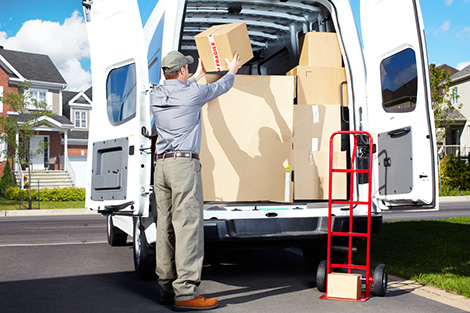
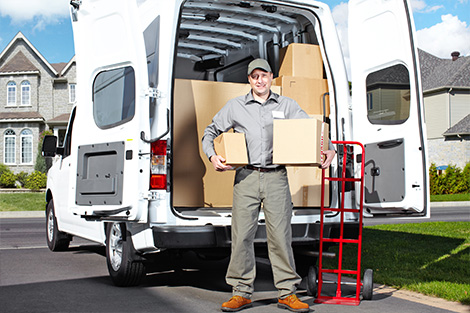
On the day, items should be packed into the vehicle in a sensible order, with heavy pieces secured and fragile pieces protected. Blankets, straps, and careful stacking are not glamorous, but they save a lot of headaches. In our experience, a calm, methodical loading process often matters more than speed. Fast is good. Careful is better.
4. Transport and unloading
Once the vehicle is loaded, the team will transport everything to the new address and unload in the right rooms where possible. If you have labelled boxes clearly, this part is much easier. A box marked "kitchen" is a small thing, but on moving day it is gold. You will notice the difference by lunch.
For people who want help beyond transport, packing and unpacking services can reduce the pressure considerably. It is especially useful if you are working to a deadline or moving with children, pets, or both.
Key Benefits and Practical Advantages
Local house removals are not just about convenience. They can actually improve the whole move in ways that are easy to underestimate.
- Less travel friction: A nearby team is usually better placed to understand local access, traffic patterns, and route timing.
- More efficient scheduling: Local moves can often be arranged more flexibly, which helps if your moving chain is tight.
- Reduced handling stress: If the right vehicle and crew are used, fewer trips and fewer awkward lifts may be needed.
- Better care for belongings: Professional loading methods help reduce the chance of damage to furniture, appliances, and fragile items.
- Clearer expectations: You know what is being moved, when it is being moved, and what support is included.
There is also a quieter benefit: peace of mind. That sounds a bit neat, but it is true. When you know the logistics are under control, you can focus on the actual move rather than fretting over the mechanics of it.
If you are comparing service styles, it may help to look at the broader house removalists option as well. Some people want a basic transport-only solution. Others want a more supported move with packing, careful furniture handling, and clearer scheduling. Neither is wrong. It just depends on the day you are trying to have.
Who This Is For and When It Makes Sense
This kind of service is a strong fit for a few different groups. You may recognise yourself in one of them.
Homeowners and renters moving locally
If you are moving within Fulham or nearby and you have more than a handful of bags, professional help can save time and reduce physical strain. Even a relatively short move can feel endless when you are making multiple trips in a hatchback. Let's face it, nobody wants to do six runs for a sofa and three boxes.
Families moving with bulky furniture
Families tend to have more furniture, more personal items, and more "where did that come from?" objects than they realise. A proper removal plan helps keep everything together and stops the day from spiralling into clutter.
Busy professionals with limited time
If you are balancing work, childcare, or a same-week handover, moving support becomes less of a luxury and more of a sanity saver. Services such as man with van can work well for smaller loads, while bigger or more complex moves may need a fuller setup.
People with awkward access
Top-floor flats, shared entrances, tight staircases, and parking restrictions all make moving harder. If your property has any of those features, you should plan for them early. Small access problems have a habit of becoming big ones.
Anyone disposing of items during the move
Moves are a good time to clear out broken furniture, old mattresses, or appliances that no longer make sense to keep. If that is part of your plan, services such as mattress and sofa disposal or fridge and appliance removal can help keep the process tidy and legal. Useful, and one less thing on the pile.
Step-by-Step Guidance
A move runs best when it is treated like a sequence, not a scramble. Here is a simple approach that works well for many Bishops Park moves.
- Confirm what is moving. Walk room by room and make a list. Include furniture, boxes, appliances, and anything fragile or awkward.
- Measure the large items. Check doorways, stair bends, and hallways. A quick tape measure can prevent a very awkward lift later.
- Sort what can be donated, recycled, or disposed of. Do this before packing if possible. It saves time and reduces clutter.
- Book the right level of help. Small loads may suit a man and van, while larger homes usually benefit from a larger vehicle or more hands.
- Pack room by room. Keep similar items together. Label every box clearly on at least one side and the top.
- Prepare essentials separately. Keep documents, chargers, medication, keys, and a basic kettle kit to hand. The kettle always earns its keep.
- Protect valuables and fragile items. Use proper wrapping, sturdy boxes, and sensible padding. No half-hearted tape jobs, please.
- Check access at both ends. Confirm parking, entry instructions, and any lift bookings or time limits.
- Do a final sweep. Open cupboards, look behind doors, and check loft spaces or under beds.
- Unpack the essentials first. Kitchen basics, bedding, and bathroom items usually make the first night much easier.
If you want to keep the whole move more structured, it can help to pair transport with packing and unpacking services. That can feel like a small luxury at the time, but on moving day it often pays for itself in reduced stress.
Expert Tips for Better Results
Small decisions often create the biggest difference. Here are the tips that matter most in real life, not just on a neat checklist.
- Label by destination room, not just contents. "Books" is okay. "Books - bedroom shelf" is better.
- Keep one box of essentials visible. That box should travel with you if possible, not disappear into the van.
- Disassemble furniture only when needed. Some items do not need taking apart. Others absolutely do. Use judgement here.
- Protect corners and surfaces. Table edges, mirrors, and wardrobe doors are easy to scuff if you rush.
- Group similar weight together. Heavy books in one giant box sounds efficient until someone tries to lift it. And then not so much.
- Allow time for surprises. A missing key, traffic delay, or stubborn chest of drawers can happen. Build in a buffer where possible.
A useful local trick is to think in terms of access windows rather than exact minutes. In London, a move that is "about midday" can become very different if one van is delayed by ten minutes and another is blocked by a delivery vehicle. The more flexible your plan, the calmer the day tends to be.
If you are particularly concerned about safety and handling standards, it is worth reviewing the company's insurance and safety information and its health and safety policy. Those pages do not magically move boxes for you, but they do tell you a lot about the way the business operates.
Common Mistakes to Avoid
Most stressful moves are not ruined by one giant problem. They are usually chipped away by five or six little ones. Here are the usual suspects.
Leaving packing too late
The classic. People often think they will "knock it out the night before," and then 11 p.m. arrives with three cupboards untouched and a growing sense of panic. Start early, even if only one room at a time.
Underestimating the volume
Households often have more stuff than they think. Kitchenware, books, cables, toys, linen, and odd bits in the loft add up quickly. If your estimate is too low, the vehicle and crew may not be enough.
Ignoring parking and access
This is one of the biggest local risks. If the van cannot park close enough, the move gets slower and harder. Stairwell angles, entrance width, and route distance from vehicle to door all matter.
Mixing keep, throw away, and move items
That leads to confusion, extra handling, and occasional regret. Keep rubbish, donations, and move items separated from the start.
Forgetting special disposal rules
Not everything can simply be chucked in with household waste. If you have items that need careful disposal, use the right service. For example, hazardous waste disposal is the kind of thing that should be handled properly, not guessed at.
Not confirming what the service includes
Does the quote include loading, unloading, stairs, dismantling, packing materials, or disposal? Ask before the move day. It saves awkward conversations later.
Tools, Resources and Recommendations
You do not need a warehouse full of gear to make a move go well. A few practical tools and some thoughtful preparation are usually enough.
- Strong boxes: Use good-quality boxes in a mix of sizes. Big boxes are tempting, but medium boxes are often safer for heavy items.
- Packing tape and markers: Boring, yes. Essential, also yes.
- Bubblemwrap or paper wrap: Useful for glass, lamps, artwork, and delicate fittings.
- Furniture blankets or covers: Good for avoiding scratches and scuffs during loading.
- Basic toolkit: Screwdrivers, Allen keys, and a small hammer can help with furniture dismantling.
- Room labels or sticky notes: Simple, fast, and surprisingly effective.
For people who want to book support directly, the book online option can be a convenient way to organise the job without a long phone back-and-forth. If you are still comparing costs and service levels, the pricing and quotes page is a sensible place to start.
Some moves also need a separate discussion about items to be removed rather than relocated. That is where furniture pick-up can be useful, particularly if you are replacing an old item and do not want it hanging around for another month in the spare room. Happens all the time.
Law, Compliance, Standards, or Best Practice
For house removals in London, the main compliance issues are usually practical rather than dramatic. The important thing is to make sure moving, loading, disposal, and transport are handled responsibly. That means using appropriate vehicles, taking care around shared access areas, and making sure items are not dumped or removed in a way that creates risk or nuisance.
For disposal work, especially bulky waste or items with special handling needs, best practice is to keep clear records of what is being removed and to use a company that follows safe handling and responsible disposal processes. If you are clearing furniture, appliances, or mixed waste as part of a move, it helps to separate items early so nothing gets mixed into the wrong pile.
It is also sensible to check that your chosen provider has clear service terms, payment information, and safety policies. Pages such as terms and conditions and payment and security are not the most thrilling reading, I grant you, but they do tell you how the company handles booking, payment, and responsibility.
For sustainability-minded moves, responsible reuse and disposal matter too. If items can be reused, recycled, or collected separately, that is usually better than sending everything into one final pile. The recycling and sustainability page is a useful reference point for that kind of thinking.
Options, Methods, or Comparison Table
Different moves need different levels of support. A quick comparison helps make the choice less fuzzy.
| Option | Best for | Strengths | Limitations |
|---|---|---|---|
| Man and van | Small flats, light furniture, short local moves | Flexible, efficient, often ideal for a simple load | May be limited for larger homes or heavy volumes |
| House removalists | Full or partial home moves with more belongings | More support, better for coordination and loading | Can be more than needed for very small moves |
| Moving truck | Medium to larger loads, bulky furniture, multi-room moves | Greater capacity, useful for bigger household volume | Needs stronger planning around access and parking |
| Packing and unpacking support | Busy households, time-sensitive moves, fragile items | Reduces stress, improves organisation, saves time | Extra service layer to budget for |
| Furniture or appliance disposal add-ons | Moves with unwanted items | Keeps the move cleaner and avoids clutter | Needs clear item lists and scheduling |
The right choice depends on volume, access, and how much you want to do yourself. A small move with a few boxes and a bed frame may not need much more than transport. A family move with several bedrooms, mixed furniture, and disposal items? That is a different story.
Case Study or Real-World Example
Here is a typical local scenario. A couple moves from a first-floor flat near Bishops Park into a two-bedroom house not far from Fulham Palace. They have a sofa, dining table, bed, wardrobe, several boxes, and two items they no longer want: an old mattress and a fridge that has seen better days.
They start by sorting the flat two weeks ahead of the move. One box is labelled for kitchen essentials, another for charging cables, documents, and tea supplies. A small pile goes to recycling, and the disposal items are separated early so they do not get mixed with the main load. Smart move, honestly.
On moving day, the team arrives with the right vehicle size and enough room for the furniture to be loaded in a sensible order. The fragile items are wrapped, the bulky items are protected, and the couple avoids the classic mistake of trying to move a half-assembled wardrobe through a narrow door. At the new place, boxes go into the correct rooms, and the essentials box is opened first. Kettle on. Breath out.
That kind of move does not feel dramatic from the outside, but it usually works because the planning is clean and the expectations are clear. Nothing flashy. Just a well-run day.
Practical Checklist
Use this as a quick pre-move checklist before your Bishops Park house removals near Fulham Palace.
- Confirm the move date, arrival time, and access details.
- List every major item to be moved.
- Measure large furniture and awkward hallways or doorways.
- Separate items for disposal, recycling, donation, and storage.
- Pack fragile items with proper protection.
- Label boxes clearly by room and priority.
- Prepare an essentials bag or box for the first night.
- Check parking arrangements at both addresses.
- Disassemble only the furniture that really needs it.
- Keep keys, documents, and valuables with you.
- Review service terms, payment details, and safety information.
- Do one final walk-through before leaving the property.
Key takeaway: The best local moves are not the fastest ones on paper; they are the ones where access, packing, vehicle size, and disposal are all thought through before anyone lifts the first box.
Conclusion
At its best, a local house move near Fulham Palace should feel organised, calm, and surprisingly manageable. That is the goal. Bishops Park house removals near Fulham Palace work well when the move is planned around the local reality: tighter streets, smarter loading, realistic timing, and clear communication. Do those things properly and the day becomes a lot less stressful than people expect.
Whether you need a smaller transport solution, fuller house removal support, or help with packing and unwanted items, the sensible next step is to choose the level of service that matches your home, your timeline, and your nerves. No shame in wanting the easier route. Most people do.
Get a free quote today and see how much you can save.
And if you are still at the wondering stage, that is fine too. A good move starts with one clear plan, not with perfection.
Frequently Asked Questions
What do Bishops Park house removals near Fulham Palace usually include?
They usually include loading, transport, and unloading, with optional support such as packing, furniture protection, and disposal of unwanted items. The exact service depends on the provider and what you agree before the move.
Is a man and van enough for a local move in Fulham?
Sometimes, yes. If you have a smaller flat, lighter furniture, and only a handful of boxes, a man and van service can be a practical choice. For larger homes, it may be too limited.
How far in advance should I book a house removal?
The earlier the better, especially if you need a preferred time slot or you are moving on a busy day. Even for a local move, booking early gives you more flexibility and less last-minute pressure.
What should I do with furniture I do not want to take?
Separate it early and decide whether it will be sold, donated, recycled, or collected for disposal. Services such as furniture pick-up can help if you want it removed as part of the move.
Can packing help really save time on moving day?
Yes, absolutely. Packing support often saves more time than people expect because it reduces the number of loose decisions on the day. It also helps protect fragile items and keeps rooms from becoming chaotic.
How do I prepare for awkward access near Fulham Palace?
Measure doorways, stair bends, and the route from the property to the vehicle. Check parking and entry instructions too. A few minutes of preparation can prevent a lot of heavy lifting later.
What if I also need to remove a mattress or fridge?
Then it is better to arrange that separately and responsibly rather than leaving it to chance. Mattress and sofa disposal and fridge and appliance removal are useful if you need those items handled properly.
Are packing materials included in a removal service?
Not always. Some companies supply materials or can add them to the job, but you should confirm this before the moving day. It is one of those details that can quietly change the feel of the whole job.
What is the safest way to move fragile items?
Use strong boxes, proper wrapping, and clear labelling. Keep fragile items separate from heavy items and avoid overfilling boxes. If something feels too delicate or too awkward, treat it that way.
How do I know if I need a larger vehicle?
If you have multiple large furniture items, a lot of boxed contents, or several rooms to clear, a larger vehicle may be more suitable. A moving truck or similar option can reduce the need for multiple trips.
Should I read the terms and safety pages before booking?
Yes, it is sensible to do so. Pages like terms and conditions, payment and security, and insurance and safety can help you understand how the service works and what is covered.
What is the best way to keep a move calm on the day?
Keep essentials together, label boxes clearly, confirm access in advance, and avoid last-minute sorting. A calm move is usually a prepared move. Simple, but not always easy.