Parsons Green Fulham Man with Van Tips for Narrow Streets
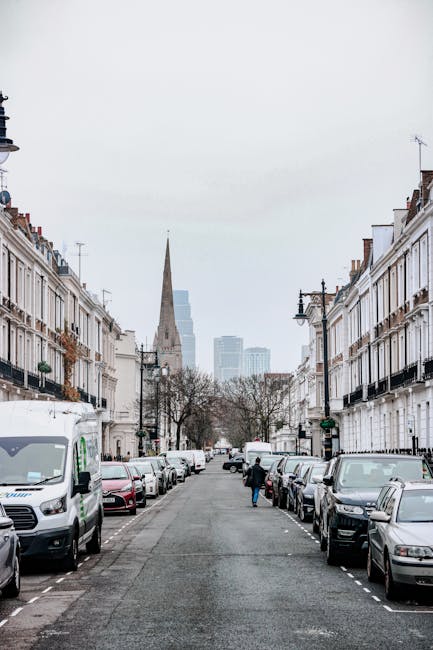
Moving in Parsons Green or the wider Fulham area can look simple on a map, and then the van arrives and reality shows up. Tight corners, parked cars, one-way turns, garden walls, residents leaning out of windows to watch the drama unfold... it all adds up. If you are planning a move and need Parsons Green Fulham man with van tips for narrow streets, the good news is that a careful approach makes a huge difference. A short wheelbase, a sensible loading plan, and a bit of local awareness can save time, reduce stress, and keep everyone safer.
This guide breaks down what actually works on narrow streets, what to avoid, and how to plan a move that feels organised rather than improvised. It is written for real-life London moving conditions, not idealised ones. Because let's face it, Parsons Green is lovely, but it is not always forgiving when a van is trying to reverse past two delivery vehicles and a skip.
Table of Contents
- Why Parsons Green Fulham man with van tips for narrow streets Matters
- How Parsons Green Fulham man with van tips for narrow streets Works
- Key Benefits and Practical Advantages
- Who This Is For and When It Makes Sense
- Step-by-Step Guidance
- Expert Tips for Better Results
- Common Mistakes to Avoid
- Tools, Resources and Recommendations
- Law, Compliance, Standards, or Best Practice
- Options, Methods, or Comparison Table
- Case Study or Real-World Example
- Practical Checklist
- Conclusion
- Frequently Asked Questions
Why Parsons Green Fulham man with van tips for narrow streets Matters
Narrow streets change the whole shape of a move. On a wide road, a driver can pull in, park cleanly, and load with a bit of breathing space. On a narrower street, every decision matters: where the van stops, which side the furniture comes from, how long the route stays clear, and whether your sofa will fit through the hallway without a wrestling match.
In Parsons Green and parts of Fulham, many residential streets have a mix of terraced homes, flats, mews-style access, and heavy day-to-day parking. That means access can be tight even when the move itself is fairly small. A man with a van service is often a strong fit here because it can be more agile than a larger removal truck, especially when the street layout makes turning space limited.
The main reason these tips matter is simple: small mistakes become big delays. A van that blocks traffic for ten minutes can upset neighbours, complicate loading, and increase pressure on the move team. A poorly planned lift from the pavement can also increase the risk of damage to furniture, walls, or hands. Nobody wants that. Not on move day, not ever.
If you are still comparing moving options, it helps to understand the difference between flexible local moves and heavier vehicle solutions. Our man with van service is designed for these kinds of urban access challenges, while larger vehicle choices such as moving truck or removal truck hire can suit different load sizes and route conditions. The key is matching the vehicle to the street, not the other way round.
How Parsons Green Fulham man with van tips for narrow streets Works
At its core, the approach is about planning the move around the street geometry. That sounds technical, but it is really just common sense with a bit of structure.
A good narrow-street move usually follows this pattern:
- Assess the route to the property and identify any pinch points, such as parked cars, low trees, tight bends, or corners that need a wider swing.
- Choose the most suitable vehicle size for the access available.
- Stage items near the exit before the van arrives, so loading is quick.
- Use a loading order that protects fragile or awkward items.
- Keep communication clear between the driver and the person inside the property.
- Leave enough margin for neighbours, pedestrians, and passing traffic.
That sounds neat on paper. In reality, a move might involve pausing for a delivery driver, adjusting the parking position twice, or carrying a wardrobe around the back entrance because the front doorway is just too awkward. The point is not to eliminate unpredictability. The point is to reduce it.
A local man and van team is usually best when the move is small to medium, the access is tricky, or the job needs flexibility rather than a full-scale removal operation. If you need help with packing too, a service like packing and unpacking services can take pressure off the day before and make the actual loading far smoother.
Key Benefits and Practical Advantages
There is a reason so many people choose a man with van model for inner London moves. It is not just about price, though that matters. It is about fit.
- Better access on tight roads: smaller vehicles are easier to position when space is limited.
- Faster loading cycles: if the van is close to the property, you cut down on long carries.
- More flexibility: routes, timings, and loading arrangements can often be adjusted more easily.
- Lower risk of street disruption: a shorter loading window is kinder to traffic and neighbours.
- Less stress on moving day: when the vehicle fits the street, everything feels calmer.
There is also a practical emotional benefit that people often overlook. When the access plan is right, you feel in control. That matters. A move can already be tiring and a bit noisy, especially if there are stairs involved or a cat hiding under the bed somewhere. Small wins count.
For some homes, the value is even clearer if you are moving mixed items rather than a full house load. For example, picking up a sofa, a few boxes, and a desk may not justify a larger vehicle. In those situations, services such as furniture pick up can be a better match than a more extensive removal setup.
Who This Is For and When It Makes Sense
This approach is a strong fit if you are:
- moving from a flat or maisonette in Parsons Green or Fulham
- relocating a small household or partial load
- dealing with a narrow residential street or awkward parking
- moving furniture, appliances, or a few bulky items
- working to a tight schedule and want a nimble setup
- trying to minimise disruption to neighbours and traffic
It also makes sense if you are moving a business from a compact office, a studio, or a shared workspace where access is more about timing and manoeuvring than sheer vehicle capacity. If that sounds familiar, commercial moves or office relocation services may be relevant depending on the load and setup.
On the other hand, if you have a full family home with lots of furniture, awkward stairs, and a long list of fragile items, you may be better off comparing with fuller moving support. It is not about choosing the biggest service. It is about choosing the service that fits the day.
Step-by-Step Guidance
Here is a straightforward way to plan a narrow-street move without letting it spiral.
1. Measure the reality, not the ideal
Check the width of the street, but also notice what is actually happening there. Are cars usually parked close to the kerb? Is there a corner van drivers need to take slowly? Is there room for the van to sit partly in line with your property entrance? Little details matter more than exact map measurements.
2. Walk the route from the front door to the van space
Think about the carrying path. A route that looks fine at first glance may involve a step, a tight gate, a sloped pavement, or a turn that catches a wardrobe by the corner. If possible, clear the route before moving day. It sounds basic, but basic wins.
3. Decide what needs to go first
Put the awkward items into a clear loading order. Heavy boxes, flat-pack pieces, and appliances may travel differently. Sofas and mattresses usually need careful handling around narrow turns. If you are disposing of large items instead of moving them, look at mattress and sofa disposal or fridge and appliance removal where relevant.
4. Keep the van position efficient
The van should be close enough to reduce carrying distance, but not so awkwardly placed that it blocks the whole street or risks damage from passing vehicles. Sometimes the best stop is not directly outside the door. A spot ten metres away, with a clean carry path, can actually be smarter.
5. Load by weight and fragility
Use heavier items to create a stable base, then layer lighter or more delicate pieces on top. Make sure fragile items are padded and upright where necessary. If you are carrying documents or mixed office materials, you may want to separate anything confidential before loading; a dedicated confidential shredding service can be helpful during office clear-outs.
6. Leave a little buffer
Moves rarely go exactly to plan. Build in some extra time. A five-minute delay can become twenty if the street is busy or somebody's trying to squeeze a bin lorry past your van. Truth be told, the buffer is not a luxury. It is protection for your own nerves.
Expert Tips for Better Results
These are the small things that make a surprisingly big difference.
- Use shorter carrying routes where possible. If there is a side entrance, back access, or courtyard, check whether it creates a safer carry path than the front door.
- Pre-label everything. Clear labels save time when items are being moved from a narrow street into a building with stairs or multiple rooms.
- Protect corners and edges. Narrow streets often mean more turning and repositioning. Corners on wardrobes, mirrors, and tables take the knocks first.
- Keep one person free to guide the driver. A quick hand signal or verbal direction can stop a lot of awkward shuffling.
- Break down what you can. Disassembled furniture is much easier to carry through tight entrances. Just remember where the screws went. That bit always seems obvious until it is not.
- Book the right duration. If the access is challenging, a rushed booking can backfire. Slightly more time is often the cheaper option in practice.
Also, be realistic about what is safe for two people to carry and what is not. A piano is not a "we'll just have a go" item. Neither is a large American-style fridge. If in doubt, step back and choose a safer method.
Common Mistakes to Avoid
Most narrow-street problems are preventable. The same errors keep showing up, and they are usually easy to fix once you spot them.
- Assuming the van will fit anywhere. It might fit on paper, but not around parked vehicles or a blind corner.
- Leaving packing too late. Last-minute packing creates bottlenecks at the exact point where speed matters most.
- Not checking for access barriers. Low branches, railings, steps, gates, and awkward front gardens all change the move plan.
- Using a vehicle that is too large. Bigger is not always better. On narrow Fulham streets, a smaller van can be the smarter choice.
- Ignoring unloading space at the destination. The same access issues can exist at the other end.
- Forgetting disposal needs. If you are not taking everything with you, arrange rubbish or bulky-item handling in advance rather than leaving piles outside.
The last point matters more than people think. A clean plan for unwanted items can stop clutter from creeping into the move. If you are comparing disposal options, useful pages include recycling and sustainability, hazardous waste disposal, and what can go in a skip.
Tools, Resources and Recommendations
You do not need a truck full of specialist gear to manage a narrow-street move, but a few simple items and habits help a lot.
| Tool or resource | Why it helps | Best used for |
|---|---|---|
| Furniture blankets | Protects edges and reduces scuffs during tight carries | Sofas, tables, wardrobes |
| Sturdy tape and labels | Keeps boxes organised and easy to place quickly | Mixed household or office moves |
| Small sack truck or trolley | Reduces strain on shorter but repeated trips | Boxes, appliances, heavier items |
| Gloves with grip | Improves control and hand protection | All loading and unloading |
| Simple room-by-room inventory | Helps track what is being moved, stored, or disposed of | Busy or multi-stop moves |
One practical recommendation: keep the move day mobile phone charged and available. You would be surprised how often a quick call saves five minutes of standing around and guessing. It is one of those unglamorous things that makes the whole operation feel smoother.
If you want to prepare properly before booking, it can also help to review the company's insurance and safety approach, plus its health and safety policy and payment and security information. That gives you a clearer sense of how the work is handled, which is reassuring when the street is tight and the day is busy.
Law, Compliance, Standards, or Best Practice
For a move like this, the most relevant guidance is usually practical rather than legal, but compliance still matters. Drivers should park considerately, loading should not create unnecessary danger, and any move involving waste should follow sensible handling and disposal practices. If a job includes discarded goods, items that may be reusable, or materials that need special care, the plan should reflect that from the start.
In UK moving work, good practice generally means:
- keeping the pavement and road as clear as reasonably possible
- avoiding unsafe lifting and carrying
- protecting property during movement
- separating household waste from reusable goods where practical
- using care with electrical items, liquids, sharp objects, and anything potentially hazardous
It is also sensible to use a provider that explains its policies clearly. If you want to understand how a service is structured, about us, terms and conditions, and complaints procedure pages can tell you a lot about how the company works day to day. That sort of transparency is worth more than a flashy promise, honestly.
Options, Methods, or Comparison Table
If you are deciding how to move in a narrow street, the main choice is not just "van or no van." It is about which method suits the access, load size, and level of help you need.
| Option | Best for | Strengths | Possible drawbacks |
|---|---|---|---|
| Man with van | Small to medium loads, narrow streets, flexible jobs | Agile, practical, usually quicker to position | May need multiple trips for larger loads |
| Moving truck | Bigger loads with more access space | Higher capacity, efficient for fuller moves | Can be harder to place on tight roads |
| Removal truck hire | Moves with structured planning and heavier volume | Useful for larger, organised relocations | Not always ideal on constrained streets |
| House removalists | Full-home moves with more hands-on support | Less lifting pressure on you | May be more than needed for a small move |
For many Parsons Green and Fulham streets, the man with van route is the sweet spot. Small enough to fit, flexible enough to adapt, and usually far less clumsy than forcing a bigger vehicle into a place it was never meant to go.
Case Study or Real-World Example
Picture a straightforward London scenario: a one-bedroom flat near Parsons Green, moving into another flat a few streets away. The property is on a narrow road with parking on both sides, and there is no easy turning circle outside the building. The client has a sofa, a bed frame, six boxes of books, a small desk, and a couple of kitchen appliances.
Instead of bringing a large vehicle and hoping for the best, the move is planned around access. The team arrives with a smaller van, times the stop to avoid the busiest part of the street, and stages the boxes near the front door before loading. The sofa is wrapped, the desk is broken down, and the bed frame is carried in sections. There is a brief pause when a neighbour reverses out unexpectedly. Nothing dramatic. Just one of those normal London interruptions.
The difference is that the move stays controlled. No frantic shuffling. No unnecessary damage. The client gets moved in a single afternoon, and the street never feels blocked for long. That is what good narrow-street planning looks like: not flashy, just calm and workable.
If the same person had also needed help clearing old furniture, it would have made sense to pair the move with a proper collection plan rather than leaving extras behind. That is where a broader service mix can help, including options like home moves for residential relocations or house removalists for larger, more involved jobs.
Practical Checklist
Use this checklist a day or two before your move. It keeps things simple.
- Confirm the van size is suitable for the street and the load.
- Check parking and access on both sides of the move.
- Measure any awkward furniture and note tight corners.
- Disassemble items that are easier to carry in parts.
- Label boxes clearly by room and priority.
- Protect furniture edges, glass, and fragile items.
- Clear hallways, doorways, and front steps.
- Separate items for disposal, recycling, or donation.
- Keep keys, documents, and essentials in one easy-to-reach bag.
- Leave extra time for traffic, parking changes, and small delays.
Quick reminder: if you are moving on a street where space is tight, organisation is not optional. It is the move.
Conclusion
Parsons Green and Fulham can be brilliant places to live, but narrow streets ask more of a move than people expect. The best results come from choosing the right vehicle, planning the carry route, loading in the right order, and keeping the whole job calm and realistic. That is the real value of Parsons Green Fulham man with van tips for narrow streets: less stress, fewer surprises, and a move that feels under control from the first box to the last.
If you are preparing a local move, start with access, not just volume. That one shift in thinking saves time, reduces damage, and makes the day far easier to manage. And if you are still weighing up your options, it is worth checking the service pages that match your situation before you book.
Get a free quote today and see how much you can save.
Frequently Asked Questions
What size van is best for narrow streets in Parsons Green?
A smaller or mid-sized van is often the best choice because it is easier to position and manoeuvre. The right size depends on both the load and the street, so access should be checked first rather than guessed.
Can a man with van service handle parking restrictions on narrow roads?
Yes, but it depends on the exact location and timing. The safest approach is to plan a loading point that causes minimal disruption and to allow extra time for parking adjustments if the street is busy.
How do I know if my furniture will fit through a tight hallway?
Measure the widest points of the item and compare them with the narrowest turns, doorways, and stair landings. If an item looks borderline, disassembling it is often the easiest solution.
Is a man with van better than a removal truck for Fulham side streets?
Often, yes. A man with van setup is usually more flexible for tight access. A removal truck can still work, but only if the street and parking conditions genuinely suit a larger vehicle.
What should I do before the van arrives?
Have everything packed, labelled, and placed close to the exit. Clear hallways and make sure the access route is free from trip hazards, loose items, and last-minute clutter.
How can I reduce the risk of damage on a narrow-street move?
Use padding, protect corners, disassemble bulky furniture where possible, and make sure the carry route is clear. Slow, careful handling is usually faster in the end than trying to rush through tight spaces.
Can bulky items like sofas and fridges be moved on these streets?
Yes, but they need careful planning. Sofas and fridges are often the hardest items to move through narrow spaces, so the route and vehicle position matter a great deal.
Should I book packing help as well?
If you are short on time or moving awkward items, packing support can make a real difference. It helps create an organised load and can reduce the chance of breakages during the move.
What if I have items I do not want to keep?
Separate them before move day and decide whether they need disposal, recycling, or collection. For larger unwanted items, relevant services such as furniture pick up or recycling guidance may be useful.
How far in advance should I plan a narrow-street move?
As early as you can, especially if the street is busy or parking is difficult. Even a small move benefits from a little planning, and the earlier you check access, the less likely you are to hit surprises.
Do I need to worry about safety and insurance?
Yes, especially where stairs, heavy items, and tight spaces are involved. It is sensible to choose a provider that is clear about insurance and safety practices, so you know how the job is being handled.
What is the biggest mistake people make with narrow-street moving?
Assuming access will work itself out on the day. It usually does not. A bit of planning before the van arrives makes everything smoother, and honestly, calmer too.
Final thought: the best move day is rarely the one that goes perfectly. It is the one that stays steady, sensible, and kind to your nerves.